Low Carb Foods List
Acceptable List of Low Carb Foods for Phase 1. For more ideas, visit our recipe page, where you can access hundreds of recipes to help kick start induction. All fish including: Flounder.
Here is a list of low carbohydrate foods In Reply to: low carb foods posted by vickie on March 07 at 10:30:30: This list is from the U.S. Department of Agriculture. Atkins has a list of acceptable low carb foods designed to help boost your metabolism. Begin the first phase of our diet and browse our full list of foods. Here is a Low Carb Food List. There are thousands of low carb foods to choose this list from but we have choosen some of the ones that we would like people to focus on.
Herring. Salmon. Sardines. Sole. Tuna. Trout. Cod. Halibut. All fowl including: Cornish hen. Chicken. Duck. Goose. Pheasant. Quail. Turkey. Ostrich. All shellfish including: Clams.
Crabmeat. Mussels*Oysters*Shrimp. Squid. Lobster*Oysters and mussels are higher in carbs so limit to about 4 ounces per day.
All meat including: Bacon*Beef. Homemade Bratwurst Sausage Recipe on this page. Ham*Lamb. Pork. Veal.
Venison*Some processed meat, bacon, and ham is cured with sugar, which will add to the carb count. Avoid cold cuts and other meats with added nitrates, if possible. Eggs in any style, including: Deviled. Fried. Hard- boiled. Omelets. Poached. Scrambled. Soft- boiled. Eggs are one of nature's most nutritious creations.
That's why eggs are a staple breakfast in the Atkins Nutritional Approach. Feel free to get creative with your eggs: Add mushrooms and onions, or even green pepper. Top the dish off with feta cheese or add basil, oregano and other herbs. Fats and Oils. There are no carbs here, but keep in mind that the serving size is approximately 1 tablespoon.
Butter. Mayonnaise – make sure it has no added sugar. Olive oil. Vegetable oils – Those labeled "cold pressed" or "expeller pressed" are especially good and olive oil is one of the best.
Canola*Walnut. Soybean*Grape seed*Sesame. Sunflower*Safflower**Do not allow any oils to reach overly high temperatures when cooking. Use olive oil for sautéing only. Use walnut or sesame oil to dress cooked veggies or salad, but not for cooking. Artificial Sweeteners.
Chicken Breast. Chicken breast is an excellent choice as it’s not only high in protein, but it’s low in fat and calories. It’s lean because it’s white meat.
Sucralose, saccharine or stevia – one packet equals 1 gram of net carbs. Beverages. Clear broth/ bouillon (make sure it has no sugars added)Club soda.
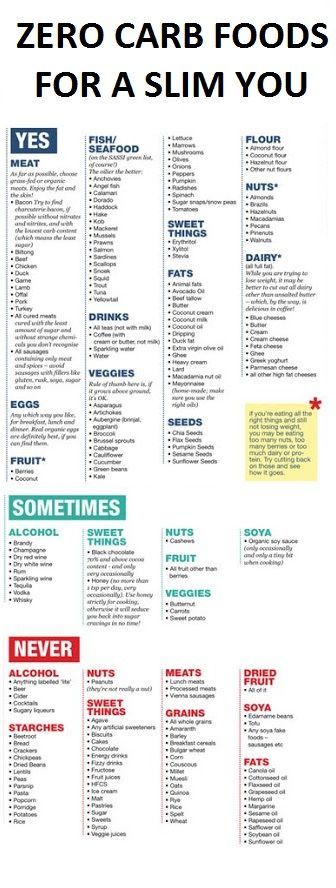
Below is the list of low carb food you can enjoy. Low carb diet is a high-fat diet. When you feel hungry eat enough fat to satisfy your hunger. If you're watching your waistline, here are the best low-carbohydrate foods to help keep the fat off. Add them to your shopping list! Low-carb dieting is a matter of choosing foods and strategies that put you on the path to success. Eating low-carb means knowing how to estimate portion sizes.
Cream, heavy or light. Decaffeinated or regular coffee and tea*Diet soda (be sure to note the carb count)Flavored seltzer (must say no calories)Herb tea (without added barley or fruit sugar added)Unflavored soy/almond milk. Water – at least eight 8- ounce glasses per day including.. Filtered water. Mineral water. Spring water. Tap water * One to two cups of caffeinated tea or coffee is allowed as desired and tolerated by each individual. If you experience symptoms of hypoglycemia or cravings as a result, do not use caffeine.
If you have a true caffeine addiction, it is best to break the habit during the induction phase. Limit lemon and lime juices to 3 T per day* Limit cream (heavy or light) to 3 TBSP or 1.
Cheese. Mozzarella, whole milk. Cream cheese, whipped.
TBSP. 8. Foundation Vegetables. Alfalfa sprouts (raw)1/2 cup. Chicory greens (raw)1/2 cup. Watercress (raw)1/2 cup. Bok choy (cooked)1/2 cup.
Lettuce, average (raw)1/2 cup. Turnip greens (cooked)1/2 cup.
Button mushroom (raw)1/2 cup. Artichoke (marinated)1, each.
Collard greens (cooked)1/2 cup. Broccoli rabe (cooked)1/2 cup. Sauerkraut (drained)1/2 cup.
Avocado, Haas. 1/2 fruit. Daikon radish, grated (raw)1/2 cup. Red/white onion, chopped (raw)2 TBSP1.
Zucchini (cooked)1/2 cup. Cucumber, sliced (raw)1/2 cup. Cauliflower (cooked)1/2 cup.
Beet greens (cooked)1/2 cup. Broccoli (cooked)1/2 cup. Swiss chard (cooked)1/2 cup.
Asparagus (cooked)6 stalks. Broccolini (cooked)3, each. Bell pepper, green, chopped (raw)1/2 cup.
Sprouts, mung beans (raw)1/2 cup. Eggplant (cooked)1/2 cup. Scallion, chopped (raw)1/2 cup. Turnip (cooked)1/2 cup. Tomato, small (raw)1, each. Portobello mushroom (cooked)1, each. Yellow squash (cooked)1/2 cup.
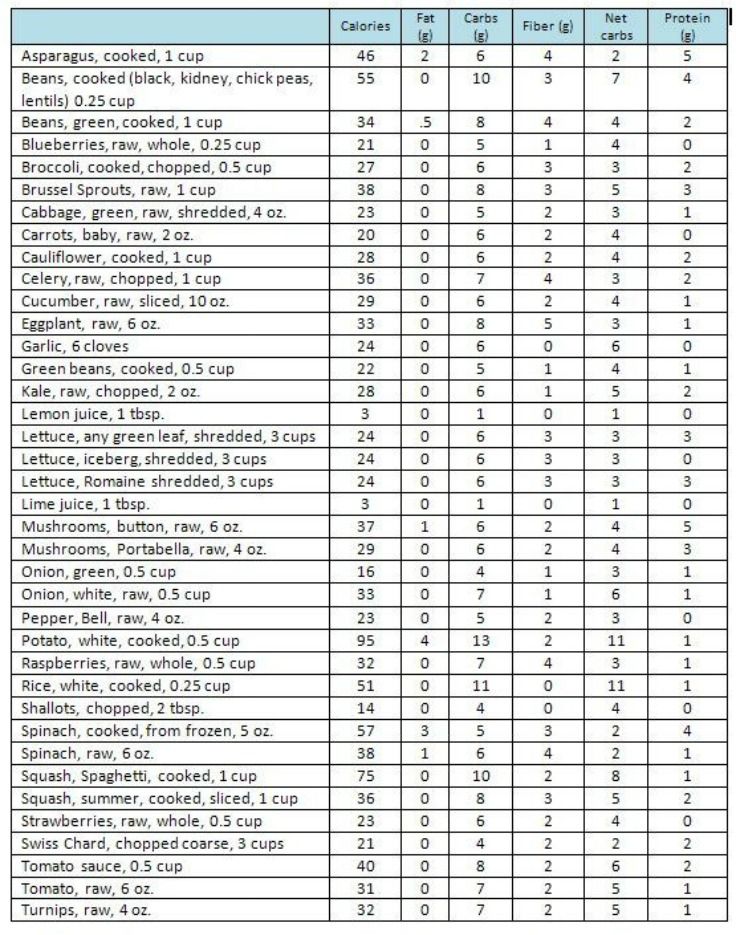
Cabbage (cooked)1/2 cup. Green beans (cooked)1/2 cup. Bell pepper, red, chopped (raw)1/2 cup. Shallot, chopped (raw)2 TBSP3. Brussel sprouts (cooked)1/2 cup. Spaghetti squash (cooked)1/2 cup. Kohlrabi (cooked)1/2 cup.
Pumpkin, mashed (cooked)1/2 cup. Garlic, minced (raw)2 TBSP5. Snow peas (cooked)1/2 cup.
Tomato (cooked)1/2 cup. Salad garnishes. Sautéed mushrooms. Grated cheeses(see above carb counts)Herbs and spices. Chives (fresh or dehydrated)1 TBSP.
Ginger, fresh, grated. TBSP . 8. Salad Dressings. Balsamic vinegar. TBSP2. 7** If you have decided to stay in Induction longer than 2 weeks, you may swap out 3g NC of other foundation vegetables for 3g NC of nuts or seeds. Do not let your Foundation Vegetable levels drop below 1.
What to Eat on a Low- Carb Diet.