Appetizer For Lobster Dinner
From Lobster Benedict to Barbacoa De Langosta, there are endless ways to serve the sweetest, most tender lobster in the world. We’re pretty.
The menu at The Sea Grill features lunch and dinner specials including the freshest fish and sushi selection. It is also referred to as the best lobster restaurant. Discover Red Lobster seafood restaurants, find locations, browse our menus and more. ANTIPASTI Bruschetta $ 5.95 Our homemade bread freshly grilled, brushed with garlic and topped with fresh roma tomato, basil & olive oil Proscuitto Melon $10.95. Are Coriander And Cilantro The Same. Looking to buy a fresh Lobster in Boston. Approach James Hook & Co.
First Course Appetizer Avocado filled with Hazelnut Oil Beautiful, delicious easy to prepare for dinner guests. see more - Fine Dining Gourmet Menu Recipes.

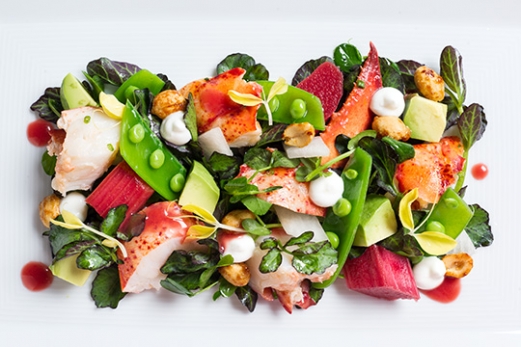
Appetizers. Ahi Tuna Tower; Maine Lobster Cocktail; Jumbo Lump Crabmeat Cocktail; Broiled Sea Scallops; Jumbo Shrimp Cocktail; ½ Dozen Oysters on the Half Shell.
Hors d'oeuvre - Wikipedia. This article may lack focus or may be about more than one topic. Please help improve this article, possibly by splitting the article and/or by introducing a disambiguation page, or discuss this issue on the talk page.(September 2. Hors d'œuvres" redirects here.
For the Roy Harper song Hors d'œuvres, see Stormcock (album). An hors d'oeuvre (; French: hors d'œuvre, [also hors d'oevre][ɔʁ dœvʁ] ( listen)), appetizer,[1] or starter is a small dish served before a meal.[3] Some hors d'oeuvres are served cold, others hot.[4] Hors d'oeuvres may be served at the dinner table as a part of the meal, or they may be served before seating. Seared Salmon there. Formerly, hors d'oeuvres were also served between courses.[5]Typically smaller than a main dish, it is often designed to be eaten by hand (with minimal use of cutlery).[6]Hors d'oeuvre [hors d'oevre] in French means "outside the work"—that is, "not part of the ordinary set of courses in a meal".[1][7] The French spelling is the same for singular and plural usage; in English, the ⟨œ⟩ typographic ligature is usually replaced by the digraph ⟨oe⟩, with the plural commonly written hors d'oeuvres and pronounced .[citation needed]"Appetizer" is a synonym for hors d'oeuvre."Starter" is sometimes used to denote an hors d'oeuvre, sometimes to denote more substantial courses, known in Europe as entrées. Origins[edit]A small number of food historians believe that the tradition may have begun in Russia, where small snacks of fish, caviar and meats were common after long travels.[8] However, it may be that the custom originated in China, possibly coming through Steppes, into Russia, Scandinavia, France and other European countries. The tradition may have reached Italy, Greece and the Balkan nations through Russia or Persia. Many national customs are related, including the Swedish smörgåsbord, Russian zakuska, Lebanese mezze, and Italian antipasto.[9] During the Roman Period the meal practice was to have two main courses which were supplemented before the meal with small amounts of fish, vegetables, cheeses, olives[1.
These would be served at the start of the meal known as either gustatio or promulsis. The Greeks called the appetizer course propoma. French etymology[edit]During the Middle Ages formal French meals were served with entremets between the serving of plates.
These secondary dishes could be either actual food dishes, or elaborate displays and even dramatic or musical presentations. In the 1. 4th century, recipes for entremets were mostly made with meat, fish, pork and vegetables. By the 1. 5th century the elaborate display and performances were served up between courses, and could be edible or displays of subjects relevant to the host, created in butter sculpture or other types of crafted work.[1. With the introduction in the 1.
Along with this came elaborate silver and ceramic table displays as well as pièces montées. The entremets were placed between the other dishes within the main work of the meal.[1.
At about this time in the 1. These were known as hors d'oeuvre.[1. Hors d'oeuvres were originally served as a canapé of small toasted bread with a savoury topping before a meal.[1. The first mention of the food item was by François Massialot in 1. Le cuisinier roial et bourgeois (The Royal and Bourgeois Cook) and explained as "Certain dishes served in addition to those one might expect in the normal composition of the feast".[1. In the French publication Les plaisirs de la table, Edouard Nignon stated that hors d'oeuvres originated in Asia. He went on to state that the French considered hors- d'oeuvres to be superfluous to a well cooked meal.[1.
Service à la française continued in Europe until the early 1. After the 1. 9th century the entremet would become almost exclusively a sweet dish or dessert with the British custom of the "savoury" being the only remaining tradition of the savoury entremet.[1. The style of formal dining changed drastically in the 1. Some traditional hors d'oeuvres would remain on the table throughout the meal. These included olives, nuts, celery and radishes. The changing, contemporary hors d'oeuvres, sometimes called "dainty dishes" became more complicated in preparation.
Pastries, with meat and cream sauces among other elaborate items, had become a course served after the soup.[1. English savouries[edit]Food in England is heavily influenced by other countries due to the island nation's dependence on importing outside goods and sometimes, inspiration.[1. Many English culinary words and customs have been directly borrowed from the original French (some completely Anglicized in spelling) such as: cuisine, sirloin, pastry and omelette which came from the 1. In the late 1. 9th and early 2. France made their way into England, such as éclair, casserole, à la carte, rôtisserie and hors d'oeuvre.[1.
The custom of the savoury course is of British origin and comes towards the end of the meal, before dessert or sweets[1. The British favored the savoury course as a palate cleanser before drinking after the meal, which made the hors d'oeuvre before the meal unnecessary.[2. The savoury is generally small, well spiced and often served hot, requiring cooking just before serving.[1. In the Victorian and Edwardian periods, savouries included such toppings as fried oysters wrapped in bacon, and Scotch woodcock,[1. Gentleman's Relish on buttered toast, served hot.[2.
In France, cheese was often part of the savoury course or added with simple fruit as a dessert.[2. A typical Edwardian dinner might consist of up to four courses[2. American appetizers and cocktail hors d'oeuvres[edit]The term appetizer is a synonym for hors d'oeuvre. It was first used in the United States and England simultaneously in 1. Americans also use the term to define the first of three courses in a meal, which were optional and generally set on the table before guests were seated.[1. Drinks before dinner became a custom towards the end of the 1.
As this new fashion caught on, the British took inspiration from the French to begin serving hors d'oeuvres before dinner.[2. A cocktail party is considered a small gathering with mixed drinks and light snacks.[2. Hors d'oeuvres may be served as the only food offering at cocktail parties and receptions, where no dinner is served afterward.[2. After the end of prohibition in the United States, the cocktail party gained acceptance.[9][1. Prior to the First World War, American dinner guests would be expected to enter the dining room immediately where drinks would be served at the table with appetizers.
This changed by the 1. Prohibition in the United States, cocktail parties became popular with many different hors d'oeuvres meant as something to help counter the stronger drinks.[1. It is the cocktail party that helped transfer the hors d'oeuvres from the formal dining table to the mobility of the serving tray. These appetizers passed around the cocktail party may also be referred to as canapés.[1. Preparation[edit]In restaurants or large estates, hors d'oeuvres are prepared in a garde manger which is a cool room.[2. Hors d'oeuvres are often prepared in advance. Some types may be refrigerated or frozen and then precooked and then reheated in an oven or microwave oven as necessary before serving.
Steward in a vintage 1. If there is an extended period between when guests arrive and when the meal is eaten, for example during a cocktail hour, these might serve the purpose of sustaining guests during the wait, in the same way that apéritifs are served as a drink before meals.[3. It is also an unwritten rule that the dishes served as hors d'oeuvres do not give any clue to the main meal.[3.
They are served with the main meal menu in view either in hot, room temperature or cold forms; when served hot they are brought out after all the guests arrive so that everyone gets to taste the dishes. Hors d'oeuvres before a meal may be rotated by waiters or passed.